

10 Dialogues From Drama Tere Bin’s Latest Episodes And Why We Vibed With Them
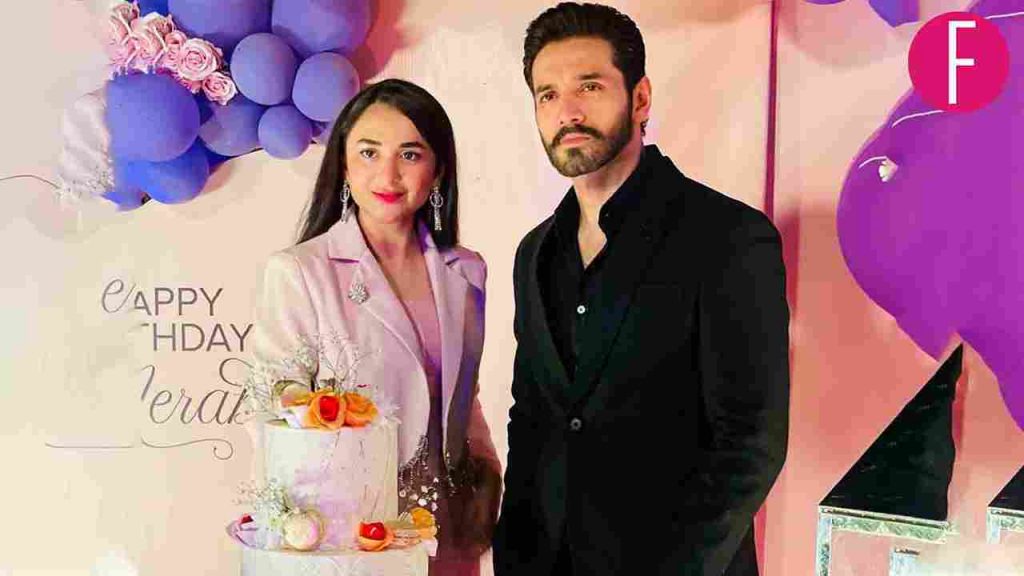
Geo Entertainment drama Tere Bin’s latest episodes aired this week. While we were admiring the performances and well-sculpted characters, certain dialogues caught our attention. Some reinforced cobwebbed mindsets that still have a comfortable home in our society, while others just reminded us the difference between what is considered the duty of a parent vs emotional blackmailing. Desi society strikes a fine balance between expectations from children and parents which is different from the west, but often confused with something less or more. Get the drift? Well, obviously, Tere Bin said it better, so without any further ado, here goes!
1. Meerab Kabhi Murtasim Ki Nahi Ho Sakti
Yumna Zaidi as Meerab is an indomitable young girl, She is ambitious and dynamic and she is capable of taking her own decisions, especially when it comes to selecting her life partner. She is a product of the schooling and upbringing her parents instilled in her, of thinking independently and making her own life choices. So our questio arises logically, as to why, in the first place Meerab’s parents are putting her in a corner, and not allowing her to choose her own life partner?
2. Mere Mulk Ka Qanoon Aur Mazhab Mujhe Meri Marzi Ki Shaadi Kerne Ki Ijazat Deta Hai…
Again Meerab claims her right to choose her life partner and, gentle reminder, that too is a right backed by law and religion. However, it’s so ironic when parents suddenly circumvent everything they taught us about religion and principles and try to impose their decisions on us.
3. Ab Mera Parhaya Mere Munh Pe Marnay Ki Bari Agai Hai, Meine Tumhen Parhaya Likhaya, Bina Kahe Tumhari Har Khwahish Puri Ki Hai…
Oh God no! Waqar, Meerab’s father just said it like it is, isn’t he the one who gave her the freedom to do what she likes? Why do parents emotionally blackmail their children in the hope of getting what they want, when they want it? Isn’t providing food, basic needs, shelter and education every parent’s responsibility? Of course they have the right to guide their children and keep them safe but that’s limited to a certain age and when the child becomes an adult, they must be appreciated or at least accepted as individuals able to make their own personal life choices.
4. Hamari Koi Compatibility Nahi Hai
Consent and compatibility are the most important factors that are taken into account when choosing life partners. Surprisingly, parents don’t consider compatibility to be the deciding variable. All their focus is on status, bank balance, education and family ties but what they emphasize least is compatibility which is the core of any relationship. Meerab and Murtasim are both seen raising the same issue. Arey Bhai! Bachon ko zindagi guzarni hai, money can’t buy happiness bro!
5. Dar Nahi Raha Hun Us Ko Bacha Raha Hun Khud Se, Apni Qaid Se
Wahaj Ali’s character Murtasim showed a side of the male ego that is reflected around us in the way men treat women in their lives. When he uttered this dialogue, isn’t he being honest and in a way protecting Meerab from his dark side of which perhaps, he, himself is unaware?
6. Ab Yeh Bhi Larkiyan Hain Isi Daur Ki Isi Zamane Ki Lekin Bas Tarbiyat Ka Faraq Hai
When Maa Begum (Bushra Ansari) hints at Meerab’s upbringing and compares her with the other girls of her family. It’s really imperative to point out that every child has a unique frame of mind and capabilities that are incomparable to others. Comparing parenting styles is perhaps, the oldest judgement call in the book, and we must escape from it eventually,
7. Un Ke Bohat Ehsaan Hain Mujhpe… Ehsaan Hain To Kiya Aap Apni Beti Ko Daan Ker Den Ge
Well, it’s a story of every typical desi household. Pressurizing children to accept a certain marriage proposal only because the family in question has done bestowed a favour in the past and now the favor is called in, in the form of getting their son or daughter married to theirs.
7. Kuch Aisa Na Kerna Jo Hamare Liye Zillat Ka Bais Ban Jaye!
This is how parents convey weakness and disappointment which in turn shatters a person’s confidence. Youngsters are often contemplated as inadequately prepared to maintain the honour or good standing of their family name. Our advice to those parents is ‘Apne bachon pe bharosa karen..’
8. Meerab Larki Nahi Hai, Is Zameen Ki Malik Bhi Hai Jo Hamari Khandani Milkiyat Hai… Main Is Zameen Ko Khandan Se Bahir Nahi Jaane Dun Gi
Maa Begum (Bushra Ansari) tries to lure Murtasim by telling him about the property Meerab’s father has transferred to her already. Murtasim , on the other hand was indifferent and makes it clear that she can’t charm him with the promise of land and wealth to agree to the marriage proposal. This dialogue revealed blatantly that sometimes parents arrange profitable matrimonial alliances for their children just to acquire wealth and property from the other party.
9. Betiyan Munh Ko Nahi Ati
Ah the bourgeois mentality of this society. Girls can only be forced to obey but can never voice their opinions in public and especially when they speak up for their rights and freedom.
10. Hamare Khandan Ki Larkiyun Ne Is Tarha Kabhi Apne Rishte Ki Baat Nahi Ki
When Haya confesses her love for Murtasim, Maa Begum strikes her. While we might not agree with her obsessive love for Murtasim, A girl expressing her wish to marry someone is definitely a brave move. Why are girls hushed up when they raise a voice to stand up for their rights?
And that’s it from us on Tere Bin, let us know if we missed a dialogue that stood out for you other than the 10 mentioned above!

